
 Loading ...
Military terminology in simple terms: what civilians should know
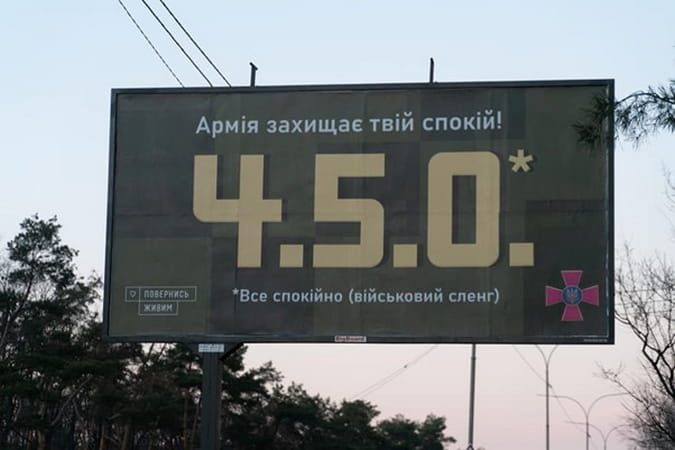
 With the beginning of the full-scale invasion, military slang and official statutory codes have become an integral part of the everyday language of Ukrainians. Knowledge of basic notation saves from disinformation in the news, facilitates communication with relatives on the front line and helps to adequately evaluate operational reports. Among dozens of army expressions, the formula of calm occupies a special place 4.5.0, which has long since gone beyond the boundaries of walkie-talkies and has become a symbol of steadfastness. Understanding these terms allows you to speak the same language with defenders without misinterpretations and anxiety.
Radio codes and numerical designations on the air
Army radio communication requires extreme brevity, since every extra second of open air creates a direct threat of enemy direction finding. For this reason, soldiers use standardized numerical codes that instantly convey the status of a unit or the situation at an observation post. The most famous expression 4.5.0 originally appeared in sentry reports and literally meant that everything was calm in a certain sector. Over time, this combination turned into a general indication of safety for comrades and civilians.
Common numerical signals and their semantic meaning:
- a plus or two pluses mean agreement, confirmation of receipt of an order, or a satisfactory condition of the fighter;
- zero or leading zero indicates the line of direct fire contact with the enemy;
- three hundred indicates a soldier's injury of any severity;
- two hundred records the death of a soldier while performing a combat mission;
- five hundred means wilful abandonment of a unit or refusal to carry out an order.
The use of numerical indices ensures accuracy during urgent reports to evacuation teams or headquarters. It is important for civilians to correctly perceive such phrases in official reports and to avoid inappropriate use of medical codes in everyday conversations.
Weapons systems and technical abbreviations
News feeds are filled with abbreviations every day, which often confuse readers without special training. Understanding the classification of equipment helps to distinguish the work of defense forces from enemy strikes and soberly assess the degree of security during declared alarms.
Main army abbreviations for technical equipment:
- UAVs unite all remotely controlled vehicles from copters to heavy long-range drones;
- Air defense refers to air defense systems that destroy enemy missiles, aircraft, and strike drones;
- MLRS includes multiple launch rocket systems for hitting targets with packages of rockets;
- EW identifies electronic warfare systems that jam communications and knock enemy drones off course;
- The BMP is an armored tracked vehicle for fire support of infantry in combat.
These systems operate in close coordination, providing cover for infantry units in difficult areas of the front. A clear distinction between their purpose saves from network manipulation and helps to objectively analyze official command reports.
Tactical designations and terrain realities
The specifics of combat operations have created a separate vocabulary for quickly determining the direction of fire and orienting oneself in the terrain. Short concepts replace long descriptions of the terrain, allowing fighters to immediately react to a sudden threat.
Characteristic words to describe a combat situation:
- the output records a shot by Ukrainian artillery, a tank, or a missile launch at the positions of the occupiers;
- arrival means the impact of an enemy projectile, mine or drone on our territory;
- the planting defines a forest belt between the fields, which serves as the main defensive line for both sides;
- green indicates a forest massif or dense shrubs that mask the movement of groups in the warm season;
- A detachment indicates a temporary or permanent location for personnel in rear areas.
The ability to hear departures and arrivals is a critical skill for civilians living near the front line, allowing them to make timely decisions to immediately take cover before another strike.
Knowledge of military terminology strengthens common understanding between the front and the rear and eliminates information barriers. Mastering these codes helps to keep calm and support soldiers.
See more interesting and useful information on the portal: